



Updated October 2026. V80 and Pure Hydra label figures and NHS guidance checked on 22 October 2026. Verve makes Transparent Greens V80 and Pure Hydra Electrolytes, both mentioned in this guide.
Tired, heavy legs usually come from the day you have had: hours on your feet or in a chair, a hard training session or a short night's sleep. Food plays a part too. Magnesium, potassium and calcium contribute to normal muscle function, and vitamin D contributes to the maintenance of normal muscle function. Iron and vitamin B12 contribute to the reduction of tiredness and fatigue. The only way to know if you are low in iron, vitamin D or B12 is a blood test. If your legs stay tired for weeks, or you have pain, swelling or numbness, see a GP before you buy anything.
The short answer
- Basics first. Sleep, regular movement and a varied diet. The NHS suggests aiming for 6 to 9 hours of sleep.
- Muscle function: magnesium, potassium and calcium contribute to normal muscle function. Vitamin D contributes to the maintenance of normal muscle function.
- Tiredness: iron and vitamin B12 contribute to the reduction of tiredness and fatigue.
- Test, do not guess: a blood test shows if you are low in iron, vitamin D or B12. A GP can arrange one.
- Get checked for tiredness lasting weeks, numbness, or leg pain when you walk. Pain or swelling in one leg needs an urgent GP appointment or NHS 111.
Why your legs feel tired
- Long hours standing or sitting. Shop floors, warehouse shifts and desk days all leave legs feeling heavy. Changing position, walking about and comfortable shoes are worth trying first.
- Training. Legs feel tired after a hard run or a leg session. That is normal, and it is why training plans include rest days.
- Sleep and lifestyle. The NHS lists not getting enough sleep, an unhealthy diet and not getting much exercise among the common causes of tiredness, and tired legs are often part of that.
- A medical cause. Sometimes tired or aching legs need a GP. The signs are below.
Vitamins and minerals for tired legs
These nutrients have authorised GB health claims for muscle function or tiredness. Daily amounts and food sources are from the NHS. A varied diet may already give you enough.
Magnesium
Magnesium contributes to normal muscle function. Magnesium also contributes to a reduction of tiredness and fatigue. Adults need 300mg a day (men) or 270mg (women), from foods such as spinach, nuts and wholemeal bread. The NHS says 400mg or less a day from supplements is unlikely to cause any harm.
Potassium
Potassium contributes to normal muscle function. Adults need 3,500mg a day. It is in most foods, including bananas, some vegetables, beans and pulses, nuts and seeds, fish, poultry and beef. The NHS says older people should not take potassium supplements unless a doctor advises it.
Calcium
Calcium contributes to normal muscle function. Adults need 700mg a day. Sources include milk, cheese, yoghurt, curly kale, soya drinks with added calcium, bread made with fortified flour, and sardines eaten with the bones.
Vitamin D
Vitamin D contributes to the maintenance of normal muscle function. The NHS says everyone should consider a daily 10 microgram supplement in autumn and winter, and some people all year, including those who are rarely outdoors or who have dark skin. Food sources include oily fish such as salmon and mackerel, red meat, egg yolks and fortified foods such as some breakfast cereals. Do not take more than 100 micrograms a day. A GP can check your vitamin D level with a blood test.
B vitamins
Vitamin B12 contributes to the reduction of tiredness and fatigue and to normal red blood cell formation. Vitamin B6, riboflavin, niacin, pantothenic acid and folate each contribute to the reduction of tiredness and fatigue. Adults need about 1.5 micrograms of B12 a day, from meat, fish, milk, cheese, eggs and some fortified breakfast cereals. B12 is not found naturally in fruit, vegetables or grains, so the NHS notes that vegans may not get enough.
Iron
Iron contributes to the reduction of tiredness and fatigue. Iron contributes to normal formation of red blood cells and haemoglobin. Men need 8.7mg a day, women aged 19 to 49 need 14.8mg, and women aged 50 and over need 8.7mg. Sources include red meat, beans, nuts, dried apricots and fortified breakfast cereals. Tiredness and lack of energy are among the main symptoms of iron deficiency anaemia, and a GP checks for it with a blood test called a full blood count. The NHS says 17mg or less a day of iron supplements is unlikely to cause any harm. V80 contains no iron.
When to see a GP
Tired legs can have a medical cause. These signs come from NHS guidance.
See a GP if:
- you have felt tired for a few weeks and are not sure why, or it is affecting your daily life
- you have signs of anaemia, such as tiredness and lack of energy, shortness of breath, heart palpitations, paler skin than usual or headaches
- you have numbness, pins and needles, muscle weakness or problems with balance
- you have bone pain in your legs, or weak muscles that make it hard to climb stairs or get out of a chair
- your legs ache when you walk and the pain goes away after a few minutes' rest
- you have restless legs (an urge to move them, often worse at night) and it stops you sleeping or has not improved with things you have tried
- both legs are swollen and it has not improved after a few days, or it is getting worse
Ask for an urgent GP appointment or get help from NHS 111 if you have throbbing pain or swelling in one leg, usually in the calf or thigh, or one leg is swollen and you do not know why.
Call 999 or go to A&E if you have leg pain and swelling and also feel short of breath or have chest pain. Do not drive yourself. More detail: NHS guidance on DVT and on swollen ankles, feet and legs.
What V80 contains
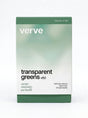
Transparent Greens V80 is Verve's daily greens powder. One 10g stick has 80 ingredients, with every dose on the label. The relevant figures:
- Magnesium 56.25mg, potassium 300mg and calcium 120mg, each 15% of the NRV. Magnesium, potassium and calcium contribute to normal muscle function.
- Vitamin D3 5μg (100% NRV). Vitamin D contributes to the maintenance of normal muscle function.
- Vitamin B12 2.5μg, plus vitamin B6, riboflavin, niacin, pantothenic acid and folic acid, all at 100% NRV. Vitamin B12 contributes to the reduction of tiredness and fatigue.
- All 13 vitamins at 100% NRV, plus zinc (100%), chromium (70%), phosphorus (16%), manganese and copper (15% each) and selenium.
- No iron. V80 is not an iron supplement.
15% NRV is a top-up, not a day's supply: V80's 56mg of magnesium is about a fifth of the NHS daily figure, and its 5μg of vitamin D is half the NHS autumn and winter figure.
Contains vitamin A (retinol). Not recommended if you're pregnant or trying for a baby. Contains vitamin K and ginkgo. If you take warfarin or another blood thinner, check with your doctor first. V80 has 11mg of caffeine per serving, contains wheat grass and barley grass, and may contain traces of hazelnut and walnut. The full table is on the Transparent Greens V80 page.
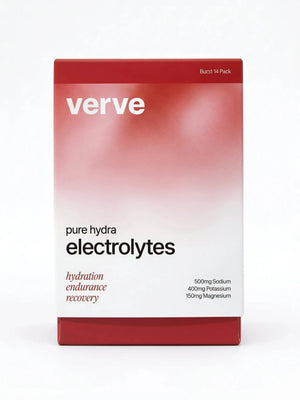
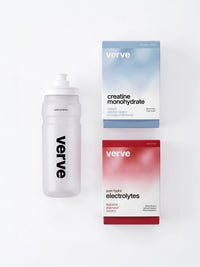
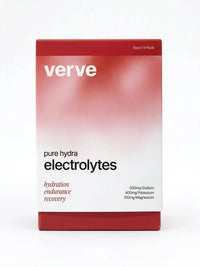
Verve also makes Pure Hydra Electrolytes for training or high-sweat days: 400mg potassium (20% NRV) and 150mg magnesium (40% NRV) per stick, with 500mg sodium (1.25g salt).

featured in this article
80 ingredients, every dose listed, 28 sticks
From $81.60/month
Food supplements should not be used as a substitute for a varied, balanced diet and a healthy lifestyle. Do not exceed the recommended daily intake.
Vitamins for tired legs: your questions
What vitamin deficiency causes tired legs?
There is no single one. The NHS lists tiredness among the main symptoms of iron deficiency anaemia, and feeling weak or tired among the symptoms of vitamin B12 deficiency. Bone pain or weak muscles can be a reason for a GP to check your vitamin D. A blood test is the only way to know, so see a GP rather than guess.
Is magnesium good for tired legs?
Magnesium contributes to normal muscle function. It also contributes to a reduction of tiredness and fatigue. Adults need 270-300mg a day, and spinach, nuts and wholemeal bread are good sources. Keep supplements to 400mg a day or less.
Should I take vitamin D for tired legs?
The NHS says everyone should consider a daily 10 microgram supplement in autumn and winter. Vitamin D contributes to the maintenance of normal muscle function. Do not take more than 100 micrograms a day. A GP can check your level with a blood test.
Does V80 contain iron?
No. Iron contributes to the reduction of tiredness and fatigue, but if you think you might be low, NHS advice is to see a GP, who will usually check with a full blood count. Iron-rich foods include red meat, beans, dried apricots and fortified breakfast cereals.
How we checked
V80 and Pure Hydra figures are from their vavaverve.com label tables. Daily amounts, food sources and supplement limits are from the nhs.uk vitamins and minerals pages. The GP signs are from nhs.uk pages on tiredness, iron deficiency anaemia, vitamin B12 deficiency anaemia, rickets and osteomalacia, peripheral arterial disease, restless legs syndrome, DVT and swollen legs. All checked on 22 October 2026. The only health claims used are those authorised in Great Britain. Verve makes V80 and Pure Hydra.