


Updated October 2026. V80 label figures checked on vavaverve.com on 22 October 2026. Verve makes Transparent Greens V80, the example used in this guide.
Yes, you can take vitamins while fasting. What matters is which vitamin, and what kind of fast. Vitamins A, D, E and K are fat-soluble, so take them with a meal: in your eating window, or at suhoor or iftar during Ramadan. Vitamin C and the B vitamins are water-soluble and more flexible. Iron and zinc can upset an empty stomach, so take them with food if they do. For intermittent fasting, whether a supplement breaks your fast comes down to calories, so check the label. For Ramadan, anything taken by mouth between dawn and sunset breaks the fast.
The short answer
- Fat-soluble vitamins (A, D, E, K): take them with a meal. They are absorbed with fat.
- Water-soluble vitamins (C, B vitamins, folic acid): more flexible. Any time in your eating window works.
- Iron and zinc: can make you feel sick on an empty stomach. Take them with or after food if they do.
- Breaking a fast: gummies, powders and oil capsules carry calories. If your plan allows only calorie-free drinks, keep them to your eating window.
- Ramadan: take vitamins and supplements at suhoor or iftar, not in daylight hours.
What counts as breaking a fast
It depends on the kind of fast you keep.
Intermittent fasting splits your day or week into eating and fasting periods. In 16:8, one of the most popular versions, you eat within an eight-hour window and fast for the other 16 hours. Diabetes UK says you avoid solid food in the fasting hours but can drink fluids, and a dietitians' factsheet in Diabetes & Primary Care says calorie-free drinks are usually allowed. So the practical test is calories.
The form of a supplement matters as much as the vitamin inside it. Gummies, chewables and powders often contain sugar or other carbohydrate. Oil-filled capsules, such as fish oil, are fat. Check the label for energy (kcal). If your plan allows only calorie-free drinks, anything with energy on the label belongs in your eating window. If the label gives no figure and you want to be strict, do the same.
Religious fasts follow the rules of the faith, not a calorie count. See the Ramadan section below.
Fat-soluble vitamins: take them with a meal
Vitamins A, D, E and K are found mainly in fatty foods, such as dairy, oily fish, vegetable oils and liver. Your body stores them in the liver and fatty tissue, so you do not need to eat foods containing them every day. Having much more than you need can be harmful.
They are absorbed with fat. Frimley Health NHS Foundation Trust advises taking them with a food or drink that contains some fat. NHS advice for vitamin D tablets and capsules is to take them with your main meal of the day. The same logic applies to a multivitamin, or a greens powder with added vitamins A, D, E and K.
Water-soluble vitamins: more flexible
Vitamin C, the B vitamins and folic acid are found in fruit, vegetables and grains. The body does not store them, so you need them more often. They do not rely on fat from a meal, so timing matters less. Any point in your eating window works. If you take them in the fasting hours, check the form: a gummy or flavoured drink may carry calories. If any supplement makes you feel sick on an empty stomach, move it to a meal.
Minerals: iron and zinc can upset an empty stomach
- Iron. NHS advice on ferrous sulfate, a common iron medicine, is that it works best on an empty stomach, but you can take it with or after food if it upsets your stomach. Feeling sick and stomach discomfort are common side effects. Do not take it with tea, coffee, eggs or dairy.
- Zinc. Patient.info's guide to zinc sulfate says to take each dose with a snack or just after a meal, and lists stomach pain, indigestion and feeling sick as side effects. The NHS says not to take more than 25mg of zinc from supplements a day unless a doctor advises it.
If your GP has prescribed iron or another mineral, ask them or your pharmacist how to fit it around your fast. Do not change the dose or timing on your own.
Timing vitamins on 16:8 and 5:2
Say your eating window on 16:8 is 12pm to 8pm. A simple routine:
- 12pm, first meal: fat-soluble vitamins, a multivitamin or a greens powder, plus iron or zinc if you take them.
- Any time in the window: water-soluble vitamins, if you take them separately.
On 5:2, two days a week are low-calorie, but you still eat on them. Take your vitamins with one of those meals. Whatever the plan, pick one meal and stick to it. Missed a day? Carry on without doubling up.
Vitamins during Ramadan
During Ramadan, Muslims fast from dawn to sunset, with no food or drink, including water. Ramadan guidance from Muslim Spiritual Care Provision in the NHS lists oral medication among the things that break the fast. So vitamins and supplements taken by mouth belong at suhoor, the meal just before dawn, or iftar, the meal after sunset. Either works. Take fat-soluble vitamins, iron and zinc with the meal, not on their own.
If you take prescribed medicines, NHS advice is to keep taking them during Ramadan and to ask your GP or pharmacist if the dose or timing needs to change. Islamic guidance excuses some people from fasting, including people who are ill or very frail, travellers, and pregnant or breastfeeding women with concerns about their own or their baby's health. If you are not sure, speak to your imam. Other faiths keep fasts with their own rules, so follow the guidance of your own faith.
Before you start a fast
Speak to your GP before fasting if you have diabetes, take regular medication, are pregnant or breastfeeding, or have a history of eating problems. Diabetes UK says it is particularly important to speak to your healthcare team before starting intermittent fasting if you take insulin or other diabetes medication.
V80 and fasting
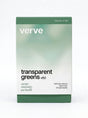
Transparent Greens V80 is Verve's greens powder: 80 ingredients per 10g stick, every dose on the label. The figures that matter if you fast:
- Energy: 122kJ/29kcal per stick, with 4.2g carbohydrate (of which 0.7g sugars), 1.9g protein and 0.1g fat. It is not calorie-free, so if your plan allows only calorie-free drinks, have it in your eating window.
- Fat-soluble vitamins: vitamin A 800μg, vitamin D3 5μg, vitamin E 12mg and vitamin K 75μg, all at 100% NRV. The direction is one stick a day in 250-300ml of cold water. With a meal is the better default, because of these four vitamins. Our guide on when to take greens powder explains why.
- All 13 vitamins at 100% NRV, including vitamin C 80mg and vitamin B12 2.5μg. Vitamin C contributes to the normal function of the immune system. Vitamin B12 contributes to the reduction of tiredness and fatigue.
- Minerals: zinc 10mg (100% NRV), chromium 70%, phosphorus 16%, and potassium, calcium, magnesium, manganese and copper at 15% each, and selenium. No iron, and no iodine declared.
- 8 billion CFU of live cultures. 11mg of caffeine per serving from guarana.
- Contains wheat grass and barley grass. May contain traces of hazelnut and walnut.
On 16:8, have it with your first meal. During Ramadan, have it at suhoor or iftar.
Contains vitamin A (retinol). Not recommended if you're pregnant or trying for a baby. Contains vitamin K and ginkgo. If you take warfarin or another blood thinner, check with your doctor first.
The full ingredient table is on the Transparent Greens V80 page.

featured in this article
80 ingredients, every dose listed, 28 sticks
From Dhs. 299.20/month
Food supplements should not be used as a substitute for a varied, balanced diet and a healthy lifestyle.
Taking vitamins while fasting: your questions
Do vitamins break a fast?
It depends on the fast and the form. For intermittent fasting, the usual test is calories: gummies, powders and oil capsules carry some. During Ramadan, anything taken by mouth between dawn and sunset breaks the fast.
Can I take vitamins on an empty stomach?
Water-soluble vitamins, such as vitamin C and the B vitamins, do not need a meal. Take vitamins A, D, E and K with food, because they are absorbed with fat. Iron and zinc can make you feel sick on an empty stomach, so take them with food if they do.
Can I take vitamins during Ramadan?
Yes, at suhoor before dawn or at iftar after sunset. If you take prescribed medicines, ask your GP or pharmacist whether the timing needs to change.
Does a greens powder break a fast?
A greens powder is made from plant powders, so it carries some calories. V80 has 29kcal per 10g stick. If your plan allows only calorie-free drinks in the fasting hours, have it in your eating window, ideally with a meal.
How we checked
V80 figures: the vavaverve.com product page. Vitamin types: nidirect.gov.uk. Fat-soluble vitamins and fat: Frimley Health NHS Foundation Trust. Vitamin D, iron and zinc: nhs.uk. Zinc sulfate: patient.info. Intermittent fasting: Diabetes UK, the British Heart Foundation and Diabetes & Primary Care. Ramadan: Muslim Spiritual Care Provision in the NHS (via East London NHS Foundation Trust), NHS North East London and The Pharmaceutical Journal. All checked on 22 October 2026. The only health claims used are those authorised in Great Britain. Verve makes V80.