


Updated November 2026. NHS guidance, the Great Britain health claims register and UK label figures checked on 5 and 6 November 2026. Verve makes Eclipse Duo, which is mentioned near the end.
There is no authorised health claim linking magnesium to sleep in Great Britain, so no UK supplement label, website or advert can say magnesium does anything for sleep, whatever the product is called. Magnesium does have ten authorised claims, covering muscle, nervous system and psychological function among others. The NHS says adults need 300mg a day (men) or 270mg (women), and that 400mg or less a day from supplements is unlikely to cause any harm. Melatonin is available on prescription only in the UK, so no UK food supplement contains it. To compare "magnesium for sleep" products, read the label: the mg of magnesium, the form, and what else is in the capsule.
The short answer
- No sleep claim exists for magnesium. None of its ten authorised claims mentions sleep.
- NHS daily amounts: 300mg for men, 270mg for women. The label reference (NRV) is 375mg.
- NHS upper guide: 400mg or less a day from supplements is unlikely to cause any harm.
- Read the magnesium, not the compound. "Magnesium bisglycinate 1,500mg" is about 180mg to 210mg of magnesium.
- Evening products vary. The UK labels we read gave 60mg to 300mg of magnesium a serving.
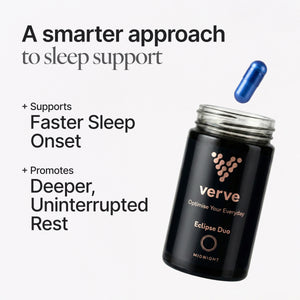
- From Verve: Verve Eclipse Duo, two evening formulas, Twilight and Midnight, with every dose on the label: magnesium 200mg (54% NRV), zinc 5mg (50%) and vitamin B6 2mg (142%) per serving, plus each botanical by weight and extract ratio.
What a UK label can say about magnesium
A health claim on a UK food or supplement must be on the GB nutrition and health claims register, in the authorised wording. These are the ten magnesium claims, word for word. A product can use them only if a serving gives at least 15% of the NRV: 56.25mg.
- Magnesium contributes to a reduction of tiredness and fatigue.
- Magnesium contributes to electrolyte balance.
- Magnesium contributes to normal energy-yielding metabolism.
- Magnesium contributes to normal functioning of the nervous system.
- Magnesium contributes to normal muscle function.
- Magnesium contributes to normal protein synthesis.
- Magnesium contributes to normal psychological function.
- Magnesium contributes to the maintenance of normal bones.
- Magnesium contributes to the maintenance of normal teeth.
- Magnesium has a role in the process of cell division.
None is about sleep, and no brand can add one. The register does hold a claim about falling asleep, but it is for melatonin, which is prescription-only here. No ingredient sold in UK food supplements has an authorised sleep claim. The NHS and US Office of Dietary Supplements (ODS) pages on magnesium do not mention sleep either. An evening product can list what is in it and quote the claims above. That is the limit.
How much magnesium adults need
| Figure | Amount | What it is |
|---|---|---|
| Men, 19 to 64 | 300mg a day | NHS daily amount |
| Women, 19 to 64 | 270mg a day | NHS daily amount |
| NRV | 375mg | The reference used on UK labels |
| From supplements | 400mg or less a day | NHS: unlikely to cause any harm |
The NHS says a varied and balanced diet should give you all the magnesium you need, and names spinach, nuts and wholemeal bread. The NRV is a label reference, not a personal target: see what NRV means on a label.
The forms you see on evening labels
Supplement magnesium is always bound to another compound, which gives the form its name. The form sets how much magnesium the compound carries, so a big number on the pack front can mean a modest amount of magnesium.
| Form on the label | What it is | Magnesium by weight (about) |
|---|---|---|
| Magnesium citrate | Magnesium bound to citric acid | 11% to 16% |
| Magnesium oxide | Magnesium bound to oxygen | 60% |
| Magnesium bisglycinate (glycinate) | Magnesium bound to two molecules of glycine, an amino acid | 12% to 14% |
| Magnesium malate | Magnesium bound to malic acid | 12% to 16% |
| Magnesium taurate | Magnesium bound to two molecules of taurine, an amino acid | 9% |
The last column is our calculation from each chemical formula. Powders that hold water carry less, hence the ranges. The NHS does not compare forms. The ODS says forms that dissolve well in liquid are absorbed more completely, and that in small studies aspartate, citrate, lactate and chloride had higher bioavailability than oxide and sulphate. It does not cover glycinate, malate or taurate. More in our magnesium citrate guide.
How "magnesium for sleep" products are labelled in the UK
We read the labels of four UK evening products, plus our own. Compare the magnesium first. Everything else is an addition.
| Product | Magnesium per serving | Form | Also on the label |
|---|---|---|---|
| Nature's Best Night Night Magnesium | 300mg (2 capsules) | Bisglycinate, buffered with oxide | Nothing else listed |
| Myvitamins Sleep Capsules | 200mg (3 capsules) | Bisglycinate | Zinc 10mg, vitamin B6 1.4mg, L-theanine 200mg, L-tryptophan 50mg, lemon balm, Montmorency cherry |
| Verve Eclipse Duo (ours) | 200mg (2 Midnight capsules) | Citrate 60mg, oxide 140mg | Zinc 5mg, vitamin B6 2mg, L-theanine 150mg, eleven botanical and mushroom extracts |
| Vitl Sweet Sleep | 60mg (per capsule) | Citrate | Zinc 10mg, vitamin B6 1.4mg, L-theanine 100mg, lemon balm, Montmorency cherry |
| Neubria Drift | 60mg (2 capsules) | Oxide | Vitamin D 10μg, folic acid 100μg, L-tryptophan 200mg, a 2,820mg botanical blend with no individual amounts |
The magnesium runs from 60mg (16% NRV) to 300mg (80%), a five-fold difference between products sold for the evening. Zinc and vitamin B6 are the usual additions; both have authorised claims, neither a sleep claim. The botanicals have no authorised claims in GB. A label can give the plant, the extract ratio and the amount, nothing more: "lemon balm 4:1 extract 200mg (eq. to 800mg)" means 200mg of extract made from 800mg of leaf.
- Find the mg of magnesium in the nutrition table, not the compound weight in the name.
- Check the serving size. One label above is per capsule, another per three.
- Add up everything you take. Electrolytes, greens powders and multivitamins often contain magnesium.
- Check the extras. The NHS says not to take more than 25mg of zinc or 10mg of vitamin B6 a day from supplements unless a doctor advises it.
Upper guidance and who should take care
- The NHS guide. 400mg or less a day from supplements is unlikely to cause any harm. More than 400mg for a short time can cause diarrhoea, and there is not enough evidence on high doses taken for a long time.
- Kidneys. The ODS says the risk of magnesium toxicity rises when kidney function is impaired, because the body cannot clear the excess. If you have a kidney condition, ask your GP first.
- Medicines. The ODS says to leave at least 2 hours between magnesium and oral bisphosphonates, and to take tetracycline or quinolone antibiotics at least 2 hours before or 4 to 6 hours after a magnesium supplement. If you take regular medicine, ask your pharmacist.
Magnesium in Verve Eclipse Duo
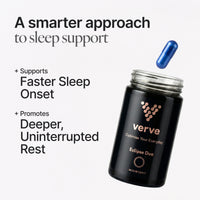
Eclipse Duo is two products taken together: two Twilight capsules an hour before bed and two Midnight capsules at bedtime. One pack is 30 nights. The magnesium is all in Midnight.
| Capsule (two-capsule serving) | Nutrient (form on the label) | Amount | NRV |
|---|---|---|---|
| Midnight | Magnesium, total | 200mg | 54% |
| Midnight | Magnesium (as magnesium citrate) | 60mg | 16% |
| Midnight | Magnesium (as oxide) | 140mg | 38% |
| Twilight | Zinc (as picolinate) | 5mg | 50% |
| Twilight | Vitamin B6 (as pyridoxine hydrochloride) | 2mg | 142% |
All three nutrients clear the 15% line, so authorised claims apply: magnesium contributes to normal psychological function; vitamin B6 contributes to normal psychological function; zinc contributes to normal cognitive function. None is a sleep claim, and Eclipse Duo makes none. The rest of the label is L-theanine and eleven botanical and mushroom extracts, each amount stated. If magnesium is all you want, a single-ingredient product such as Night Night Magnesium gives more per serving.
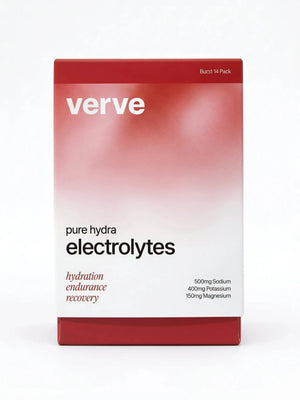
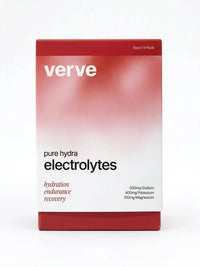
On totals: Eclipse Duo with Pure Hydra Electrolytes (150mg) on the same day is 350mg of magnesium. Add a stick of V80 (56.25mg) and it is 406.25mg, just over the NHS 400mg guide. With V80, zinc comes to 15mg and vitamin B6 to 3.4mg, under the NHS guides. Eclipse Duo may cause drowsiness, so do not drive or operate machinery after taking it. It contains chamomile, lemon balm and passionflower: avoid it if you react to chamomile or plants in the daisy family. If you take sedatives, sleep medication or antidepressants, or are pregnant, breastfeeding, taking medication or have a medical condition, check with your doctor first. Not suitable for children. Keep out of reach of children. The full label is on the Eclipse Duo page. See also our guides to melatonin alternatives in the UK and how UK sleep supplements compare on the label.

featured in this article
Two evening capsules with 200mg magnesium
From $32.80/month
Food supplements should not be used as a substitute for a varied, balanced diet and a healthy lifestyle. Do not exceed the recommended daily intake.
Magnesium for sleep: your questions
Is there a UK health claim for magnesium and sleep?
No, so no UK label can link the two. None of the ten authorised magnesium claims is about sleep, and the NHS and ODS pages on magnesium do not mention it. The ten claims a label can carry are listed above.
Which form of magnesium should I look for on an evening label?
No form has an authorised basis for sleep, and we found no credible source that ranks them. Compare the mg of magnesium per serving and the form. On absorption, the ODS reports citrate, aspartate, lactate and chloride absorbed better than oxide in small studies.
How much magnesium should I take at night?
Follow the pack. The NHS says adults need 300mg a day (men) or 270mg (women), and that 400mg or less a day from supplements is unlikely to cause any harm. Count anything else you take that contains magnesium.
Can I take magnesium with other sleep supplements?
Add up the totals first. Many evening products contain magnesium, zinc and vitamin B6, and so do multivitamins and greens powders. From supplements, keep magnesium at or under 400mg a day, zinc 25mg and vitamin B6 10mg. If you take any medicine, ask a pharmacist first.
Is magnesium glycinate better than citrate?
We found no credible source that compares the two directly. The ODS reports citrate absorbed better than oxide in small studies, but does not cover glycinate. Glycinate is about 12% to 14% magnesium by weight and citrate 11% to 16%, so compare the mg of magnesium in the nutrition table.
How we checked
NHS figures are from the nhs.uk pages "Others" (magnesium, zinc) and "B vitamins and folic acid" (vitamin B6), both last reviewed 3 August 2020, and "About melatonin" (last reviewed 13 February 2023). Claims are from retained Regulation (EU) No 432/2012, and NRVs and the 15% rule from Annex XIII of retained Regulation (EU) No 1169/2011, on legislation.gov.uk. Absorption, kidney and medicine points are from the ODS magnesium fact sheet for health professionals (updated 6 January 2026). Magnesium by weight is our calculation. Other brands' figures are from their own websites, and Verve's from vavaverve.com. All checked on 5 and 6 November 2026. Prices are not compared here. The mention of other brands is for comparison only, and all trademarks belong to their owners. Verve makes Eclipse Duo.

