



Updated October 2026. Figures checked on nhs.uk, food.gov.uk and gov.uk on 22 October 2026. Verve makes V80 and Pure Hydra, mentioned near the end.
The best alternatives to energy drinks are drinks where you know the caffeine and sugar, plus habits that deal with the reason you reached for the can. NHS figures put a 250ml can of energy drink at about 80mg of caffeine, a cup of tea at 75mg and a cup of instant coffee at 100mg. So tea or coffee can replace a can like for like, while water, milk, decaf and herbal tea cut the caffeine out. If tiredness is the reason, NHS advice points to regular meals, sleep, water and moving more.
The short answer
- Same caffeine, your choice of sugar: a cup of tea (75mg) or instant coffee (100mg) is close to a 250ml can (80mg).
- Less or no caffeine: decaf, herbal or fruit tea, water, sparkling water with fruit, or milk.
- Sugar: the NHS says adults should have no more than 30g of free sugars a day.
- Tiredness: NHS tips are regular meals, a steady sleep routine, water and exercise.
- Under-16s: the government plans to ban sales of high-caffeine energy drinks to under-16s in England from 6 April 2027.
Caffeine in energy drinks, tea and coffee
These are NHS estimates. Brands vary, so check the label.
| Drink or food | Typical caffeine |
|---|---|
| 250ml can of energy drink | 80mg |
| Cup of instant coffee | 100mg (filter and coffee-shop coffee can contain more) |
| Cup of tea, black or green | 75mg |
| Can of cola | 40mg |
| 50g bar of plain dark chocolate | Under 25mg |
Many cans are bigger than 250ml. High-caffeine drinks must show caffeine in mg per 100ml, so multiply by 5 for a 500ml can. The Food Standards Agency says up to 400mg a day is unlikely to cause adverse effects in adults. In pregnancy the limit is 200mg. Count every source, including chocolate and supplements.
Sugar: what to check on the label
The NHS says adults should have no more than 30g of free sugars a day, and children aged 7 to 10 no more than 24g. Free sugars include sugar added to drinks and the sugar in fruit juice, but not the sugar found naturally in milk. Check "of which sugars" per 100ml and multiply it up to the can. Sugar-free energy drinks still carry the caffeine.
The UK rules on high-caffeine drinks
- The warning. Any drink with more than 150mg of caffeine per litre, other than tea and coffee, must say "High caffeine content. Not recommended for children or pregnant or breast-feeding women", with the caffeine in mg per 100ml.
- The under-16 ban. In July 2026 the government confirmed it will ban the sale of these drinks, powders included, to under-16s in England. It covers shops, restaurants and online sales, and vending machines will not sell them at all. The planned start is 6 April 2027, subject to Parliament.
14 alternatives to energy drinks
The first ten are drinks. The last four are habits from NHS advice on tiredness.
1. Water
The NHS lists mild dehydration as a cause of tiredness and suggests a glass of water. Government advice is 6 to 8 cups or glasses of fluid a day.
2. Sparkling water with fruit
If you miss the fizz, this is the closest swap. The NHS suggests sparkling water, or a slice of lemon or lime, if plain water feels dull. Some flavoured waters have added sugar.
3. Black tea
About 75mg of caffeine a cup, close to a 250ml can. It counts towards your daily fluid. Drink it without sugar, or with less than usual.
4. Green tea
The NHS puts green tea at the same 75mg a cup as black tea. Some bottled iced teas are sweetened.
5. Coffee
About 100mg a cup of instant, more for filter or coffee-shop coffee. Two cups of instant is half the FSA's 400mg figure for adults. Syrups, sugar and cream turn it into a sugary drink.
6. Decaf coffee or tea
Decaf keeps the taste and the routine with most of the caffeine removed. It helps you cut down gradually, which matters: the NHS, citing The Sleep Charity, says stopping caffeine suddenly can cause headaches and insomnia.
7. Herbal and fruit teas
Peppermint, rooibos and fruit infusions are usually caffeine-free. Some blends include green tea, mate or guarana, so check the box.
8. Milk
Lower-fat milk counts towards your daily fluid, has no caffeine, and the NHS describes milk as a great source of protein and calcium. Unsweetened calcium-fortified soya or oat drinks are the dairy-free swap.
9. Matcha
Matcha is green tea leaf ground into a powder. You drink the whole leaf, so it contains caffeine, and packs rarely say how much. Count it with your tea and coffee.
10. A low-sugar electrolyte drink on sweaty days
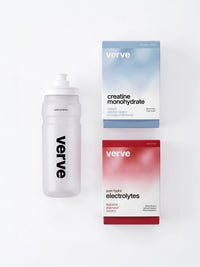
After long or hot training, what you have lost is fluid and salt. Pick an electrolyte drink with little or no sugar and no caffeine. Our electrolyte powder comparison sets the UK options side by side.
11. Regular meals and snacks
NHS advice is to eat regular meals and healthy snacks every 3 to 4 hours, rather than a large meal less often. A piece of fruit or a yoghurt fills the mid-afternoon gap a can often fills.
12. A short walk
The NHS says regular exercise will make you feel less tired in the long run, and that even a single 15-minute walk can help.
13. Daylight in the morning
NHS Wales advice is to get outside within an hour of waking, even on cloudy days, because morning light helps reset your body clock.
14. A steady sleep routine
The NHS suggests 6 to 9 hours of sleep, the same bed and wake times each day, and no screens in the hour before bed. Caffeine's effects can last up to 7 hours, so a can at 4pm can still be with you at 11pm.
When tiredness needs a GP
The NHS says see a GP if you have been tired for a few weeks without knowing why, if it affects your daily life, or if you have other symptoms such as weight loss or mood changes. Iron deficiency anaemia is one cause a GP can check with a blood test.
Where V80 fits, and where it does not
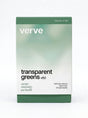
Transparent Greens V80 is Verve's daily vitamin and mineral drink, not an energy drink. It has 11mg of caffeine per serving, from guarana: about a seventh of a cup of tea. It will not stand in for a can or a coffee. Per 10g stick:
- All 13 vitamins at 100% NRV, including vitamin B12 2.5μg and vitamin C 80mg. Vitamin B12 contributes to the reduction of tiredness and fatigue. Vitamin C contributes to normal energy-yielding metabolism.
- Nine minerals: zinc 10mg (100% NRV), chromium 70%, phosphorus 16%, potassium, calcium, magnesium, manganese and copper at 15% each, and selenium. No iron.
- 0.7g of sugars and 29kcal, sweetened with steviol glycosides from stevia.
- 8 billion CFU of live cultures: Lactobacillus rhamnosus and Bifidobacterium bifidum, 4 billion each.
- 80 ingredients, every dose on the label. Every batch independently tested for heavy metals. Vegan. Gluten free by batch testing. Contains wheat grass and barley grass. May contain traces of hazelnut and walnut.
Contains vitamin A (retinol). Not recommended if you're pregnant or trying for a baby. Contains vitamin K and ginkgo. If you take warfarin or another blood thinner, check with your doctor first.
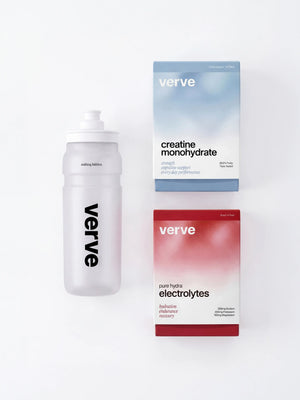
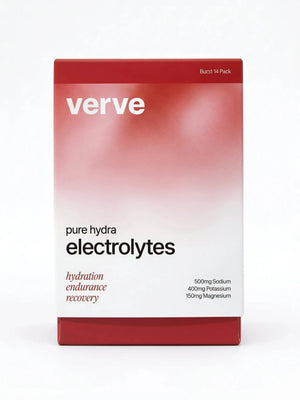
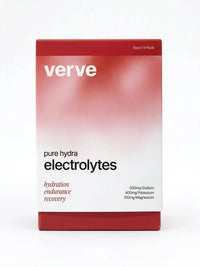
Take one stick a day in 250-300ml of water. The full ingredient table is on the Transparent Greens V80 page. For sweaty days, Pure Hydra has 500mg sodium, 400mg potassium, 150mg magnesium, 100mg vitamin C and 0.2g sugar per stick, and no caffeine.

featured in this article
80 ingredients, every dose listed, 28 sticks
From £60.00/month
Food supplements should not be used as a substitute for a varied, balanced diet and a healthy lifestyle.
Energy drink alternatives: your questions
What can I drink instead of an energy drink?
For similar caffeine, a cup of tea (about 75mg) or instant coffee (about 100mg), with the sugar up to you. For less or none, try decaf, herbal tea, sparkling water with fruit, or milk.
Does coffee have more caffeine than an energy drink?
Often, yes. The NHS gives 100mg for a cup of instant coffee and 80mg for a 250ml can. Larger cans contain more, so check the mg per 100ml.
How much caffeine is too much in a day?
The Food Standards Agency says up to 400mg a day is unlikely to cause adverse effects in adults. In pregnancy the limit is 200mg a day.
Can under-16s buy energy drinks in the UK?
Not in England from 6 April 2027, if Parliament approves the plan. The ban covers drinks, other than tea and coffee, with over 150mg of caffeine per litre.
Does V80 have caffeine?
Yes, 11mg per serving from guarana, against about 80mg in a 250ml can of energy drink. V80 is a daily vitamin and mineral drink, not an energy drink.
How we checked
Caffeine per drink and the pregnancy limit: NHS pregnancy advice. Adult caffeine: Food Standards Agency. Sugar: NHS. Fluids: NHS. Milk: NHS. Tiredness, sleep and GP advice: NHS tiredness tips and NHS, tired all the time. Daylight: Aneurin Bevan University Health Board, NHS Wales. Labelling: Regulation (EU) No 1169/2011, Annex III, as it applies in Great Britain. Under-16 ban: GOV.UK, 16 July 2026. V80 and Pure Hydra: vavaverve.com ingredient tables. All checked on 22 October 2026. Only health claims authorised in Great Britain are used. Verve makes V80 and Pure Hydra.