




Here are 24 green vegetables, with the vitamins and minerals each one provides and simple ways to eat it. Most provide vitamin K, vitamin C or folate, in different mixes. Eating a range across the week covers more than any single "best" green.
The short answer
- Kale, spinach and chard provide vitamin K. Broccoli, Brussels sprouts and green peppers provide vitamin C. Peas, broccoli and spinach provide folate.
- One portion is 80g: about three heaped tablespoons of cooked vegetables, or a cereal bowl of salad leaves. Fresh, frozen and tinned all count.
- Steam, microwave or roast rather than boil. Some vitamins leach into cooking water, and long cooking loses more.
- Wheatgrass and barley grass are not cooked as vegetables. They are sold as juice shots or powders.
What the main nutrients in green vegetables do
Three nutrients come up again and again. Here is what each one does, in the wording UK food law allows.
- Vitamin K contributes to the maintenance of normal bones. Kale, spinach, chard, spring greens, broccoli and watercress provide it.
- Vitamin C contributes to the normal function of the immune system. Broccoli, Brussels sprouts, green peppers and kale provide it.
- Folate contributes to normal blood formation. Broccoli, Brussels sprouts, spinach, kale, spring greens and peas provide it.
Spinach contains some iron, but the body absorbs iron from plants less easily than iron from meat. Vitamin C increases iron absorption, so pair spinach with peppers, broccoli or lemon.

featured in this article
80 ingredients, every dose listed, 28 sticks
From €73,56/month
Dark leafy greens
1. Kale
Kale provides vitamin K, vitamin C, folate and beta-carotene, which the body converts to vitamin A. Eat the leaves raw with oil and lemon, stir them into soup or bake them into crisps.
2. Spinach
Spinach provides vitamin K, folate and beta-carotene, plus some iron and magnesium. Eat baby spinach raw, or wilt a bag into curry, pasta, eggs or dal just before serving.
3. Swiss chard
Chard provides vitamin K, vitamin A and magnesium. Cook the sliced stems for a few minutes before adding the leaves, which need about a minute.
4. Collard greens or spring greens
Collards are common in the southern US but rare in UK shops, where spring greens are the nearest swap. Both provide vitamin K and folate. Shred and stir-fry them with garlic, or add them to stews.
5. Beet greens
The leaves on beetroot are edible and taste like chard. They provide vitamin K and vitamin A. Sauté them with garlic, or add them to soup or pasta.
6. Turnip greens
Turnip tops are peppery and slightly bitter. They provide vitamin K and vitamin C. Cook them like spring greens, or simmer them into a bean stew.
7. Dandelion greens
Dandelion leaves are bitter, the youngest least so. They provide vitamin K and vitamin A. Add a few to a mixed salad or wilt them with garlic. If you forage, avoid roadsides and sprayed ground.
Salad leaves and salad vegetables
8. Watercress
Much of the UK's watercress is grown in Hampshire. It is peppery and provides vitamin K, vitamin C and vitamin A. Use it in sandwiches or blend it into soup with potato.
9. Rocket
Rocket, called arugula in the US, is peppery and provides vitamin K, folate and calcium. Scatter it over pizza after baking, or stir it through warm pasta.
10. Romaine lettuce
Romaine, also sold as cos, provides vitamin K, folate and beta-carotene. Use it in a Caesar salad, grill halved romaine hearts, or use the leaves as wraps.
11. Endive
In UK shops, "chicory" usually means the tight pale heads and "endive" the frilly green frisée. The green leaves provide vitamin K and folate. Give them a sharp dressing, or braise chicory heads until soft.
12. Cucumber
Cucumber is mostly water, with some vitamin K, more of it in the skin. Slice it into salads, grate it into raita or tzatziki, or pickle it.
13. Green peppers
Green peppers are picked before they ripen to red, yellow or orange. They provide vitamin C, though ripe red peppers contain more. Eat them raw with dips, in fajitas, or stuffed and roasted.
14. Celery
Celery is mostly water, with some vitamin K. With onion and carrot, it is the base of many soups and stews. It is one of the 14 allergens that UK food labels must declare.
The cabbage family
15. Broccoli
Broccoli provides vitamin C, vitamin K and folate. Steam or microwave it for a few minutes, or roast it until the edges crisp. Peel and slice the stalk and cook it too.
16. Brussels sprouts
Brussels sprouts provide vitamin C, vitamin K, folate and fibre. Halve and roast them, shred them raw into slaw, or stir-fry them with chestnuts.
17. Cabbage
Green and savoy cabbage provide vitamin C and vitamin K. Shred cabbage raw into coleslaw, stir-fry it with butter and black pepper, or ferment it into sauerkraut or kimchi.
Pods, shoots and buds
18. Asparagus
British asparagus is in season from late April to June. It provides folate and vitamin K. Snap off the woody ends, then grill, roast or steam the spears for a few minutes.
19. Green beans
Green beans, also sold as French beans, provide vitamin K. Blanch them for two to three minutes so they keep their snap, then toss with butter.
20. Peas
Peas have more protein than most vegetables, plus fibre, vitamin C and folate. Stir them into pasta, risotto or fried rice, or blend them into soup.
21. Okra
Okra, also called bhindi or ladies' fingers, provides vitamin C, vitamin K and fibre. Simmered, it turns slimy and thickens stews such as gumbo. For a drier result, dry it well and fry it hot, as in bhindi masala.
22. Globe artichoke
Globe artichokes provide fibre, folate and magnesium. Steam one whole, scrape the soft base of each leaf with your teeth, then eat the heart. Jerusalem artichokes are a different plant, a knobbly tuber.
Young cereal grasses
Wheatgrass and barley grass are the young leaves of cereal plants, cut before the grain forms. What they contain varies with growing and processing, so go by what the label states.
23. Wheatgrass
Wheatgrass comes from the wheat plant, Triticum aestivum. It is sold as juice shots or dried powder and tastes strongly of grass. Labels list it as "wheatgrass" or "wheat grass", usually in milligrams, and usually highlight it as a wheat allergen. A tested product can still be gluten free.
24. Barley grass
Barley grass comes from the barley plant, Hordeum vulgare. It is milder than wheatgrass and mostly sold as a powder, alone or in greens blends. Barley is a cereal that contains gluten, so the same label points apply.
Where a greens powder fits
A greens powder does not replace the vegetables above. Food supplements should not be used as a substitute for a varied, balanced diet and a healthy lifestyle.
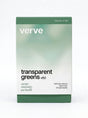
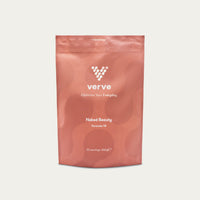
Verve's Transparent Greens V80 lists all 80 ingredients with their doses. A 10g serving contains 150mg spinach, 200mg broccoli powder, 500mg barley grass, 500mg wheat grass and 33.4mg globe artichoke 15:1 extract (equivalent to 500mg). Those are small amounts next to an 80g portion of fresh vegetables, so treat V80 as a top-up, not a swap.
The vitamins are added forms named on the label: 75μg vitamin K, 80mg vitamin C and 200μg folic acid per serving. Like all 13 vitamins in V80, each is at 100% NRV. V80 contains no iron. It contains wheat grass and barley grass, may contain traces of hazelnut and walnut, and has 11mg caffeine per serving. It is vegan and gluten free by batch testing, and every batch is independently tested for heavy metals.
Green vegetables: your questions
What is the healthiest green vegetable?
There is no single winner, because each one provides a different mix of nutrients. Eating a leafy green, something from the cabbage family and a pod or shoot across the week covers more than any one vegetable.
How many portions of vegetables should I eat a day?
UK advice is at least five portions of a variety of fruit and vegetables a day. One portion is 80g, about three heaped tablespoons of cooked vegetables or a cereal bowl of salad leaves. Fresh, frozen, tinned and dried all count.
Are frozen green vegetables as good as fresh?
They count the same towards your 5 A Day. Frozen peas, spinach, broccoli and green beans keep for months. Cook them from frozen, and briefly, so they stay firm.
Can a greens powder replace eating vegetables?
No. A greens powder adds measured vitamins and minerals, not the volume, fibre or variety of a plate of vegetables. Compare labels by dose, not ingredient count. Our UK greens powder comparison sets the main brands side by side on label facts.
Should I avoid green vegetables if I take warfarin?
No. NHS advice is to keep eating foods that contain vitamin K, such as leafy greens, in similar amounts each week, because vitamin K affects how warfarin works. Speak to your doctor or nurse before changing your diet or adding a supplement with vitamin K, such as V80.
How we checked
V80 figures are from the nutrition and ingredients table on vavaverve.com, read on 22 October 2026. Portion sizes are from the British Dietetic Association's 5 A Day fact sheet. The nutrients named for each vegetable follow the NHS vitamin pages where the NHS names that vegetable, and the raw-vegetable entries in USDA FoodData Central otherwise. We give no amounts for vegetables, because they vary with variety, freshness and cooking. Health claims are limited to those authorised in Great Britain.