


No food makes you lose weight on its own. You lose weight when you use more energy than you take in, which the NHS calls a calorie deficit. What you eat still matters, because it decides how many calories a meal holds and how much fibre, protein, vitamins and minerals come with them. NHS advice is to fill half your plate with vegetables, include protein at each meal, choose wholegrain starchy foods and watch portions and drinks. This guide covers the foods to build meals around and what each one contains.
The short answer
- No food, drink or supplement makes you lose weight by itself. Weight loss comes from a calorie deficit kept up over weeks.
- The NHS suggests cutting around 600 calories a day and aiming to lose 0.5kg to 1kg (1lb to 2lb) a week.
- Fill half your plate with vegetables. Add protein, such as beans, lentils, fish, eggs, tofu or lean meat. Keep starchy foods to no more than a third of what you eat, and choose wholegrain.
- Aim for 30g of fibre a day. Most UK adults eat about 20g.
- Drink 6 to 8 cups of fluid a day. Keep fruit juice and smoothies to 150ml a day in total, and cut down on alcohol.
How a calorie deficit works
The NHS gives 2,000 calories a day as the average a woman needs to stay at a healthy weight, and 2,500 for a man. To lose weight, you need to use more energy than you take in. In that deficit, the body relies on its fat stores for fuel.
The NHS Weight Loss Plan puts the daily limit at 1,900kcal for most men and 1,400kcal for most women. The free NHS Weight Loss Plan app works out your own target.
Healthy food still has calories. The NHS warns that eating more than your body needs, even of healthy food, can cause weight gain. So the foods below are not a free pass.
Talk to your GP before changing your diet if you have a medical condition, follow a special diet for health reasons, or have had an eating disorder.
Why fibre and protein come up so often
The NHS Weight Loss Plan says food with lots of fibre will help you feel full for longer, and that protein can also help you feel fuller for longer. That is NHS guidance about the whole diet, not a property of any one food or product.
Fibre. Government guidelines say adults should aim for 30g a day. Most eat about 20g. The NHS gives an example: wholemeal spaghetti with a lentil and tomato sauce gives around 11g.
Protein. The NHS suggests some protein at each meal: beans, pulses, fish, eggs, tofu or lean meat. It also suggests trimming fat and skin from meat, and eating less red and processed meat.
Foods to build meals around
Vegetables and salad
The NHS notes that most vegetables are low in calories and contain fibre and vitamins. It suggests two or more portions in your main meal, about half the plate. A portion is 80g, about three heaped tablespoons of cooked vegetables. Fresh, frozen and canned all count.
- Broccoli provides vitamin C, vitamin K and folate.
- Spinach provides vitamin K and folate.
- Kale, cabbage and spring greens provide folate.
- Peppers and Brussels sprouts provide vitamin C.
- Sweet potatoes count towards your 5 A Day. Ordinary potatoes do not, because they are a starchy food.
Fruit
One apple, banana, pear or orange is one portion of your 5 A Day. Oranges, strawberries and blackcurrants provide vitamin C. The NHS suggests keeping fruit juice and smoothies to 150ml a day in total, because they are high in sugar and do not fill you up like whole fruit does.
Beans, lentils and chickpeas
The NHS Eatwell Guide describes pulses, such as beans, peas and lentils, as low in fat and a good alternative to meat. They provide fibre and protein, and chickpeas and kidney beans also provide folate. Add them to stews, curries and salads, or swap them for some of the meat in a dish. They count as one portion of your 5 A Day at most.
Fish, eggs, tofu and lean meat
The NHS suggests at least two portions of fish a week, one of them oily, such as salmon, mackerel, sardines or trout. A portion is about 140g. Oily fish contains long-chain omega-3 fatty acids and provides vitamin D. Canned tuna does not count as oily fish. Eggs, tofu and lean meat are the other lower-fat protein foods the NHS names.
Wholegrains, oats and potatoes
Gram for gram, the NHS says, starchy foods contain fewer than half the calories of fat. The butter, oil and sauces added to them push the calories up. They also contain fibre, calcium, iron and B vitamins, and potatoes provide vitamin C. Choose wholegrain where you can: porridge oats, wholewheat pasta, brown rice, bulgur wheat and potatoes with the skin on.
Milk, yoghurt and cheese
Milk, cheese and yoghurt contain protein and some vitamins. The NHS suggests lower fat milk and cheese, and lower fat, lower sugar yoghurts.
Nuts, seeds and avocado
Almonds, peanuts and avocados contain monounsaturated fat. Walnuts contain omega-3 fat. All fat is high in energy: 9kcal per gram, against 4kcal for carbohydrate and protein. The NHS lists unsalted nuts or seeds as a snack, so measure a small portion rather than eating from the bag.
Herbs, spices, tea and coffee
Garlic, herbs and spices such as cinnamon and turmeric add flavour for very few calories. Tea, green tea included, and coffee count towards your daily fluid. None of these burns fat or speeds up weight loss.
Portions, plates and drinks
- Use smaller plates and bowls, and serve yourself once.
- Measure oil, butter and ghee with a teaspoon when you cook.
- Weigh pasta and rice before cooking, because they expand.
- Put snacks in a bowl rather than eating from the packet, and eat without the TV on.
- Check labels. Calories are listed per 100g or per portion, and the maker's portion may be smaller than yours.
Water, lower fat milk, tea, coffee and sugar-free drinks all count towards your 6 to 8 cups a day. The NHS says alcohol is high in calories, can increase hunger and can lead to food choices you would not normally make, so it suggests cutting down.
Where V80 fits
Eating less food does not lower how much of each vitamin and mineral you need, and a varied plate is the main way to get them. Food supplements should not be used as a substitute for a varied, balanced diet and a healthy lifestyle.
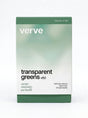
V80 is not a weight-loss product, and we make no weight-loss claim for it. It is a daily vitamin and mineral top-up, with every dose on the label. One 10g serving of Transparent Greens V80 contains all 13 vitamins at 100% NRV. It also contains zinc at 100% NRV, chromium at 70%, phosphorus at 16%, potassium, calcium, magnesium, manganese and copper at 15% each, and selenium. It has 8 billion CFU of live cultures. It contains no iron and declares no iodine.
A serving has 29kcal and 11mg caffeine from guarana. Those 29kcal count towards your daily total like any other drink. V80 is vegan and gluten free by batch testing. It contains wheat grass and barley grass, and may contain traces of hazelnut and walnut.
Contains vitamin A (retinol). Not recommended if you're pregnant or trying for a baby. Contains vitamin K and ginkgo. If you take warfarin or another blood thinner, check with your doctor first.

featured in this article
80 ingredients, every dose listed, 28 sticks
From $144.00/month
Foods for weight loss: your questions
Are there foods that make you lose weight?
No. People often search for superfoods for weight loss, but no food makes you lose weight on its own. Weight loss comes from a calorie deficit. Vegetables, fruit, pulses, wholegrains and lean protein are the foods NHS advice builds meals around.
What foods burn belly fat?
None. No food burns fat, from the belly or anywhere else. In a calorie deficit, the NHS explains, the body relies on its fat stores for fuel. If your BMI is under 35, the NHS waist-to-height ratio calculator checks for extra fat around your middle.
How much weight is it safe to lose in a week?
The NHS suggests aiming for 0.5kg to 1kg (1lb to 2lb) a week, by cutting around 600 calories a day. Speak to your GP first if you have a medical condition.
Do I have to count calories to lose weight?
Not necessarily, but you do need to eat fewer calories than you use. The free NHS Weight Loss Plan app sets a daily target and tracks what you eat. If you would rather not count, start with the portion tips above.
Can a greens powder help me lose weight?
No. V80 is not a weight-loss product. A greens powder adds vitamins and minerals, and some calories: 29kcal a serving for V80. To compare greens powders on label facts, see our UK greens powder comparison.
How we checked
Weight-loss guidance is from NHS Better Health, the NHS Weight Loss Plan week 1 guide, the NHS Eatwell Guide, and the NHS pages on fibre, 5 A Day, starchy foods, fish, fats, vitamin C, vitamin K and folate, all read on 22 October 2026. Food nutrients are named, not measured, because amounts vary with variety and cooking. The fibre figure for a meal is the NHS's own. V80 figures are from the nutrition and ingredients table on vavaverve.com, read on 22 October 2026.